P0300 — Random/Multiple Cylinder Misfire Detected
The engine is misfiring across more than one cylinder — most often ignition or fuel delivery, and it can cook your catalytic converter if ignored.
A set of spark plugs can fix it for under $100 — or a compression problem can run four figures. Live misfire counters tell you which world you are in.
Common causes, most likely first
Worn spark plugs or ignition coils
Aged plugs and weak coils misfire under load across several cylinders — the single most common trigger for P0300.
Vacuum leak
Unmetered air from a cracked hose, intake gasket or brake booster leans out multiple cylinders at idle.
Fuel delivery problem
A weak fuel pump, clogged filter or dirty injectors starve the engine — misfires appear under load first.
Low compression / mechanical wear
Worn rings, valves or a stretched timing chain misfire consistently regardless of ignition and fuel work.
Crank/cam sensor signal fault
An erratic position signal makes the ECU mistime spark and injection, logging phantom random misfires.
Symptoms you'll notice
- Rough idle / shaking — the engine stumbles at stops and vibrates through the cabin.
- Flashing or steady Check Engine light — flashing means active catalyst-damaging misfire — stop driving hard.
- Power loss and hesitation — especially when accelerating or climbing.
- Higher fuel consumption — unburned fuel is being thrown away.
A FLASHING check-engine light means raw fuel is reaching the catalytic converter. Back off the throttle and diagnose promptly — converters are the expensive casualty of ignored misfires.
Diagnostic steps
Read all codes & freeze frame
Cylinder-specific codes (P0301–P0308) alongside P0300 point you to a starting cylinder; pure P0300 suggests something shared — fuel, vacuum or timing.Tool: any scan tool
Watch per-cylinder misfire counters
Live misfire data shows which cylinders act up and when (idle vs load vs cold). Random distribution confirms a shared cause.Tool: live data
Inspect plugs & swap coils
Pull the plugs and read them. Swap a suspect coil to another cylinder — if the misfire follows, you have your answer.Tool: hand tools
Smoke-test the intake
Find unmetered-air leaks at hoses, intake gaskets and the brake booster before touching fuel components.Tool: smoke machine
Check fuel pressure & compression
If ignition and vacuum check out, test fuel pressure under load and run a compression test to rule out mechanical wear.Tool: gauges
Repair & cost
Estimates are indicative and vary by region, vehicle and parts choice. Confirm the actual cause with live data before buying parts.
The right iCarsoft tool for P0300
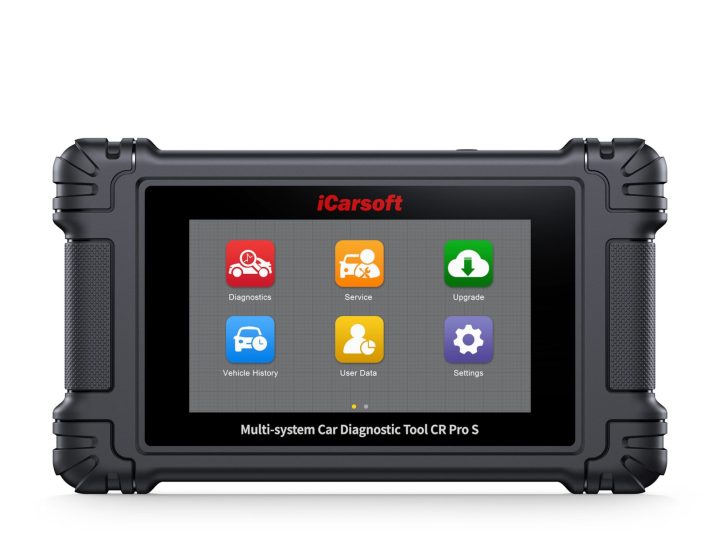
iCarsoft CR Pro S
P0300 diagnosis lives in the misfire counters. CR Pro S streams per-cylinder misfire data live, graphs fuel trims to catch lean conditions, and runs injector/coil actuation tests so you isolate the culprit before buying parts.
Analyze your exact vehicle with the AI Co-Pilot
Enter your make, model and what you're seeing — the iCarsoft AI assistant will rank the likely causes for your car and suggest the next test.
Try the AI Co-PilotP0300 FAQ
- Can I drive with P0300?
- Short, gentle driving with a steady light is usually tolerable. If the light is flashing, misfires are severe enough to overheat the catalytic converter — stop and diagnose first.
- Why "random" instead of one cylinder?
- The ECU counted misfires spread across multiple cylinders rather than concentrated in one, which points to a shared cause: fuel supply, vacuum leak, ignition system aging or timing.
- Will P0300 damage anything if ignored?
- Yes — sustained misfires dump unburned fuel into the exhaust and can destroy the catalytic converter, turning a $100 tune-up into a $2,000 repair.
Comments
No comments yet — be the first to share your experience.
Leave a comment
Comments are reviewed before publishing. Your email is required but never shown.