P0011 — "A" Camshaft Position Timing Over-Advanced (Bank 1)
The intake cam on Bank 1 is ahead of where the computer commanded it — in the VVT era that usually means oil problems or a sticking control solenoid.
Start with the cheapest fix in the book — an oil change with the correct viscosity — before touching VVT hardware.
Common causes, most likely first
Dirty, low or wrong-viscosity oil
VVT phasers run on oil pressure; sludge or wrong oil makes them stick and drift.
Faulty oil control valve (VVT solenoid)
A sticking OCV holds the phaser advanced regardless of command.
Timing chain stretch
A worn chain shifts cam-to-crank correlation beyond what the phaser can correct.
Cam phaser failure
Worn internals or a failed lock pin — often with a cold-start rattle.
Wiring to the OCV
Corroded or damaged circuits mis-drive the solenoid.
Symptoms you'll notice
- Rough idle or stalling — cam timing stuck advanced hurts idle stability.
- Rattle at cold start — a classic worn-phaser tell.
- Power loss / poor economy — timing off the map.
- Check Engine light — sometimes intermittent at first.
Diagnostic steps
Check the oil first
Level, condition and correct viscosity. If it's overdue or wrong, change it and re-evaluate.Tool: visual
Watch commanded vs actual cam angle
Live data shows the phaser holding advance when commanded to zero — the code confirmed in one graph.Tool: live data
Test / swap the OCV solenoid
Measure resistance, command it while watching response; on twin-cam engines swap with the exhaust-side valve to see if the fault follows.Tool: bidirectional test + multimeter
Assess timing chain wear
Compare cam/crank correlation at idle; some makes expose chain-elongation data.Tool: live data / scope
Inspect OCV wiring
Oil-soaked connectors and chafed looms are common on high-mileage engines.Tool: visual + multimeter
Repair & cost
Estimates are indicative and vary by region, vehicle and parts choice. Confirm the actual cause with live data before buying parts.
The right iCarsoft tool for P0011
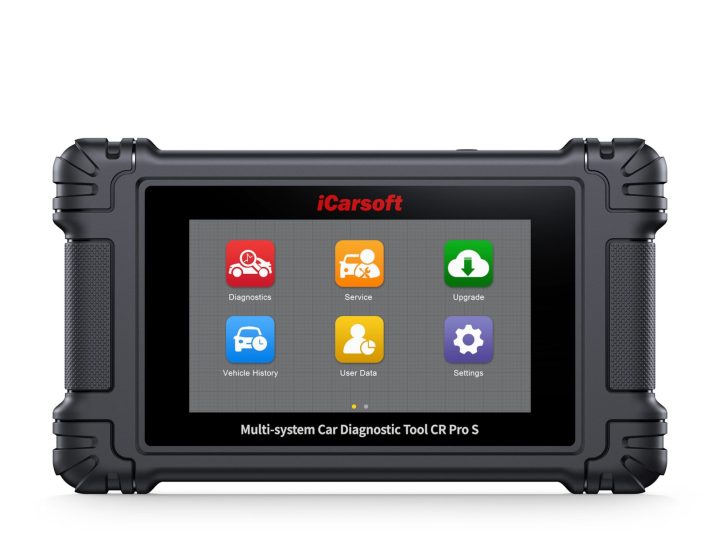
iCarsoft CR Pro S
CR Pro S graphs commanded vs actual cam angle live and can actuate the VVT solenoid on demand — the two tests that separate a $90 solenoid from a $1,200 timing job.
Analyze your exact vehicle with the AI Co-Pilot
Enter your make, model and what you're seeing — the iCarsoft AI assistant will rank the likely causes for your car and suggest the next test.
Try the AI Co-PilotP0011 FAQ
- Can an oil change really fix P0011?
- Yes — sludge and wrong-viscosity oil are the leading causes of sticking VVT hardware. It's the mandatory first step.
- Can I drive with P0011?
- Gentle short-term driving is usually fine; expect rough idle and reduced power. Persistent faults accelerate chain and phaser wear.
- P0011 vs P0016?
- P0011 is the cam held over-advanced (control problem). P0016 is cam-to-crank correlation off (often mechanical: chain, tensioner, tone wheel).
Comments
No comments yet — be the first to share your experience.
Leave a comment
Comments are reviewed before publishing. Your email is required but never shown.