P0093 — Fuel System Leak Detected (Large)
The ECU detected a large fuel-system leak — rail pressure escapes faster than the pump can explain. Treat this one seriously: fuel may be reaching places it shouldn't.
Loose unions after recent fuel-system service are the classic trigger — recheck fresh work before condemning parts.
Common causes, most likely first
Loose unions / rail fittings after service
Recently opened high-pressure connections weep or spray under pressure.
Leaking injector return / leak-off lines
Diesel return plumbing hardens, cracks and leaks with age.
Failed injector body seal
Combustion-seat or body seals let pressure escape.
HPFP internal leakage
Worn pump internals dump pressure back to return.
Cracked rail or high-pressure line
The dangerous one — visible wetting or odor.
Symptoms you'll notice
- Diesel/fuel smell — or visible wetting around rail, lines, injectors.
- Long cranking / no start — pressure can't build for start.
- Rail pressure won't hold — sags at idle, collapses under load.
- Limp mode / stall — the ECU cuts its losses.
A physical fuel leak is a fire hazard. Inspect before driving anywhere — this is the one code on this list where "drive it to the shop" may be the wrong call.
Diagnostic steps
Careful visual inspection under pressure
Key-on prime (engine off where possible): look and smell around rail, lines, unions and injectors. Never probe a suspected high-pressure jet with hands.Tool: visual — with care
Watch rail pressure decay after shutoff
Rapid collapse quantifies the leak the ECU flagged.Tool: live data
Injector leak-off / return volume test
Compare return volumes per injector — the outlier is your leaker (diesel).Tool: leak-off kit
Torque-check recent work
If the system was opened recently, re-verify every union touched.Tool: torque wrench
UV dye as last resort
For elusive seeps, dye + UV lamp localizes the escape path.Tool: UV dye kit
Repair & cost
Estimates are indicative and vary by region, vehicle and parts choice. Confirm the actual cause with live data before buying parts.
The right iCarsoft tool for P0093
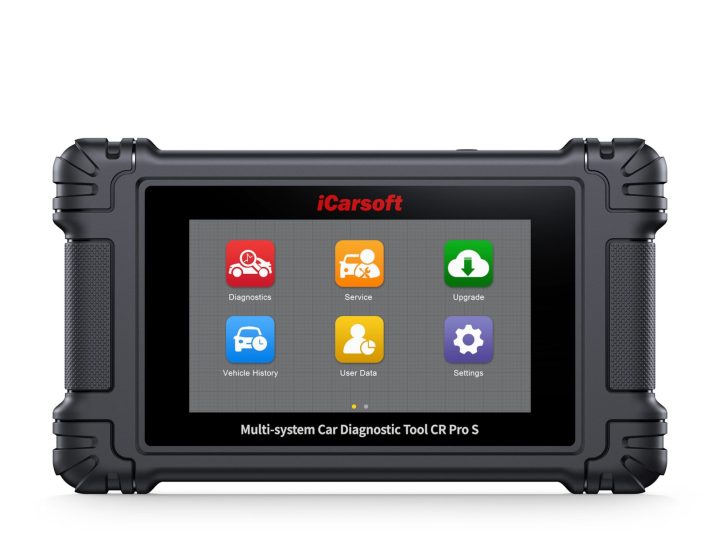
iCarsoft CR Pro S
CR Pro S shows live rail pressure and its decay curve after shutdown — turning "there's a leak somewhere" into a measured, localized fault you can fix and then verify sealed.
Analyze your exact vehicle with the AI Co-Pilot
Enter your make, model and what you're seeing — the iCarsoft AI assistant will rank the likely causes for your car and suggest the next test.
Try the AI Co-PilotP0093 FAQ
- Is it safe to drive with P0093?
- Not until you have inspected for physical leakage. Fuel spraying on hot engine parts is a genuine fire risk; if you smell fuel, stop.
- Can P0093 be purely internal?
- Yes — HPFP internal leakage or injector return leakage loses pressure without external wetting. The decay test plus leak-off measurement separates internal from external.
- It appeared right after injector service — coincidence?
- Almost certainly not. Recheck torque on every union opened and inspect new seals first.
Comments
No comments yet — be the first to share your experience.
Leave a comment
Comments are reviewed before publishing. Your email is required but never shown.